

Every day, your body creates free radicals as a normal part of breathing, digestion, movement, and immune activity. This is natural. The problem begins when these unstable molecules build up faster than your body can neutralize them. That imbalance is known as oxidative stress.
Over time, oxidative stress can quietly affect energy, skin, immune balance, and long term cellular health. Understanding how antioxidants and cellular health are connected helps you make simple daily choices that protect your body at its most basic level.
This article explores
-
how oxidative stress affects your cells during everyday life
-
what polyphenols are and why they are essential for cellular protection
-
the most practical antioxidant rich foods list for daily eating
-
how a high antioxidant diet and lifestyle habits support long term wellness
-
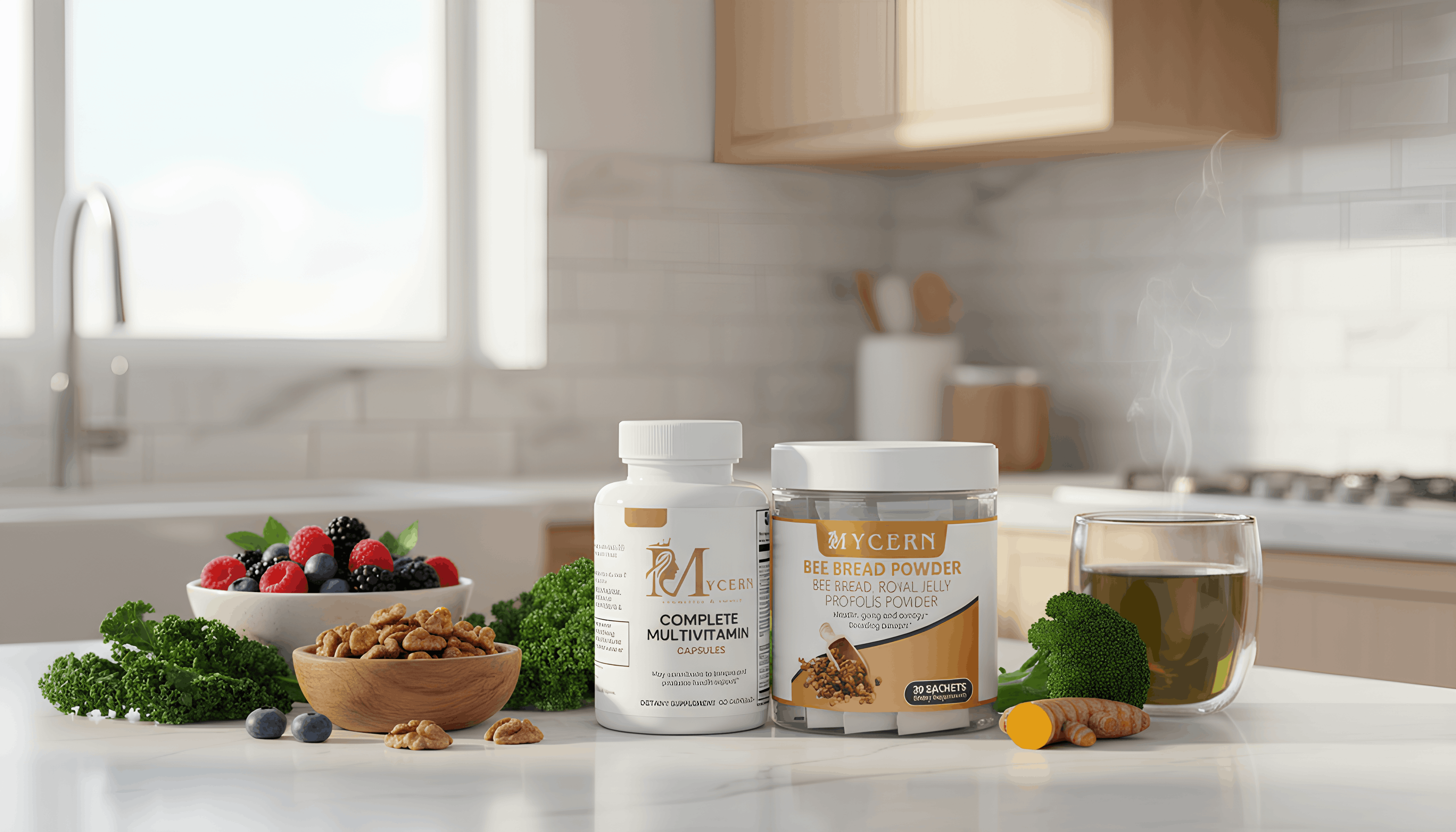
how MyCern Bee Bread Powder and Complete Multivitamin fit into a science based antioxidant routine
Understanding oxidative stress and its impact on cellular health

Oxidative stress occurs when free radicals outnumber your body’s protective antioxidants.
Free radicals are unstable molecules that look for electrons to stabilize themselves. In doing so, they can damage important cellular structures such as
-
DNA
-
proteins
-
cell membranes
Your body produces free radicals naturally during
-
energy production in the mitochondria
-
immune defense
-
detoxification processes
In small amounts, free radicals are helpful. They support immune signaling and tissue repair. The problem appears when daily exposures push production too high.
Common contributors to oxidative stress include
-
air pollution and environmental toxins
-
poor quality diet
-
chronic psychological stress
-
inadequate sleep
-
excess alcohol and smoking
-
long periods of intense physical strain without recovery
This is why oxidative stress and daily wellness are closely linked. Your lifestyle either supports cellular balance or adds to the burden your antioxidant systems must manage.
What are polyphenols and why they matter for your cells
Many people ask, what are polyphenols and why are they always mentioned in discussions about antioxidants.
Polyphenols are natural plant compounds that help defend plants from environmental stress. When you eat those plants, the same compounds help protect your own cells.
Polyphenols are found in foods such as
-
berries
-
green tea
-
cocoa
-
olives and olive oil
-
herbs and spices
-
colorful vegetables
They support antioxidants and cellular health in several important ways.
Polyphenols can
-
directly neutralize free radicals
-
support your body’s own antioxidant enzymes
-
help regulate inflammation related signaling pathways
-
support healthy mitochondrial function
This is one reason diets rich in plant foods are consistently linked with better long term health outcomes.
Antioxidant rich foods list for daily use

You do not need exotic ingredients to support your cells. The most effective antioxidant rich foods list is built from foods you can eat consistently.
Berries and colorful fruits
Blueberries, strawberries, blackberries, cherries, and grapes are among the most reliable foods high in antioxidants. Their deep colors signal a high concentration of polyphenols.
A practical goal is one small bowl of mixed berries each day, fresh or frozen.
Leafy greens and cruciferous vegetables
Kale, spinach, broccoli, Brussels sprouts, and cauliflower provide a combination of vitamin C, carotenoids, and plant based antioxidants that support detoxification and cellular protection.
Nuts, seeds, and dark chocolate
Walnuts, almonds, flaxseed, chia seeds, and pumpkin seeds add vitamin E and plant antioxidants that protect cell membranes. Dark chocolate with at least 70 percent cocoa contributes flavanols that support vascular and cellular health.
Herbs, spices, and antioxidant beverages
Turmeric, cinnamon, oregano, ginger, and cloves contain highly concentrated polyphenols. Green tea and coffee also contribute meaningful antioxidant activity when consumed in moderation.
Building a high antioxidant diet without complexity
A high antioxidant diet is created through simple, repeatable habits.
-
include at least three different colored plant foods at each main meal
-
add herbs and spices to cooking every day
-
snack on fruit, nuts, or yogurt with berries instead of processed snacks
-
choose whole grains rather than refined grains
-
cook with extra virgin olive oil
Food preparation also matters. Light steaming preserves more antioxidants than boiling. Pairing vegetables with healthy fats improves absorption of fat soluble antioxidants such as carotenoids and vitamin E.

Lifestyle habits that protect cellular defense systems
Diet alone cannot fully protect your cells if daily habits continue to generate excessive oxidative stress.
Sleep and cellular repair
During deep sleep, your body restores antioxidant enzymes and clears accumulated oxidative damage. Consistently sleeping seven to nine hours supports long term cellular stability.
Exercise in the right dose
Moderate, regular movement strengthens your internal antioxidant systems. Extremely intense training without recovery can temporarily increase oxidative stress. The goal is regular activity combined with adequate rest.
Stress regulation
Chronic emotional stress increases inflammatory signaling and free radical production. Relaxation practices, social connection, nature exposure, and structured downtime directly support antioxidant balance.
Natural antioxidant sources that complement food
Vitamin C
Vitamin C is a key water soluble antioxidant that protects cells and helps recycle other antioxidants such as vitamin E. It also supports immune function and connective tissue health.
Bee bread
Bee bread is fermented bee pollen stored in the hive. Fermentation improves the bioavailability of polyphenols, flavonoids, and micronutrients. Bee bread naturally contains plant antioxidants, enzymes, and supportive compounds that complement a plant rich diet.
Propolis and plant bioactives
Propolis contains a wide range of plant derived polyphenols that support antioxidant and immune related pathways. Its value lies in its complex and naturally balanced compound profile rather than a single isolated nutrient.
MyCern fit: Targeted support for daily antioxidant balance
At MyCern, our formulations are designed to support the biological systems involved in cellular protection and daily resilience.
Two products fit naturally into an antioxidant focused routine.

MyCern Bee Bread Powder
MyCern Bee Bread Powder provides a naturally fermented source of plant polyphenols, flavonoids, and micronutrients. The fermentation process supports absorption and allows this traditional ingredient to complement modern nutritional needs.
Within a balanced lifestyle, Bee Bread Powder can help support
-
normal antioxidant defense activity
-
cellular resilience during daily environmental stress
-
metabolic and immune related support linked to oxidative balance
MyCern Complete Multivitamin
The MyCern Complete Multivitamin is designed to support core nutritional foundations that allow antioxidant systems to function efficiently. Key vitamins and minerals are required as cofactors for your body’s own antioxidant enzymes.
When used consistently, the Complete Multivitamin supports
-
normal cellular energy metabolism
-
healthy neurological and immune function
-
the enzymatic systems involved in oxidative protection
Together, Bee Bread Powder and the Complete Multivitamin complement a food first approach without replacing whole foods or healthy lifestyle habits.
Practical daily routine for antioxidant support
-
start the day with fruit or berries and a balanced breakfast
-
include at least one serving of leafy greens or cruciferous vegetables daily
-
use herbs and spices in at least one cooked meal
-
rotate nuts and seeds as snacks
-
maintain consistent sleep and movement routines
-
integrate MyCern Bee Bread Powder and the MyCern Complete Multivitamin as part of your regular nutrition schedule
Small daily consistency is more effective than occasional large changes.

Conclusion
Antioxidants and cellular health are deeply connected to how your body manages everyday metabolic and environmental stress. Learning what polyphenols are, following a practical antioxidant rich foods list, and building a sustainable high antioxidant diet allow your cells to remain protected and resilient.
When healthy nutrition is combined with restorative sleep, balanced movement, and stress regulation, your natural defense systems are better equipped to manage oxidative stress and support daily wellness.
Targeted nutritional support such as MyCern Bee Bread Powder and the MyCern Complete Multivitamin can complement these habits by supporting the biological foundations that keep antioxidant systems working efficiently.
References
- Carr, A. C., & Maggini, S. (2017). Vitamin C and immune function. Nutrients, 9(11), 1211.
- Hussain, T., Tan, B., Yin, Y., Blachier, F., Tossou, M. C., & Rahu, N. (2016). Oxidative stress and inflammation: what polyphenols can do for us?. Oxidative medicine and cellular longevity, 2016(1), 7432797.
- Liguori, I., Russo, G., Curcio, F., Bulli, G., Aran, L., Della-Morte, D., ... & Abete, P. (2018). Oxidative stress, aging, and diseases. Clinical interventions in aging, 757-772.
- Pasupuleti, V. R., Sammugam, L., Ramesh, N., & Gan, S. H. (2017). Honey, propolis, and royal jelly: a comprehensive review of their biological actions and health benefits. Oxidative medicine and cellular longevity, 2017(1), 1259510.
- Pham-Huy, L. A., He, H., & Pham-Huy, C. (2008). Free radicals, antioxidants in disease and health. International journal of biomedical science: IJBS, 4(2), 89.


