

Medically reviewed by Dr. Donika Vata, MD
A few years ago, I remember standing in a small health food store staring at shelves packed with powders, probiotics, and supplements I had never heard of before. Bee bread powder for immunity was one of them. At the time, it sounded more like something from a beekeeper’s journal than a wellness product. Now, research into gut health and immunity has pushed fermented bee products into a much bigger conversation.
Scientists continue to uncover how closely the gut and immune system work together. A large portion of immune activity is connected to the digestive tract, which is why researchers are paying closer attention to foods that may help support a balanced microbiome. Bee bread powder has started gaining attention because it combines fermentation, nutrients, and naturally occurring microbial compounds in one traditional food source.
Unlike trendy wellness products that appear overnight, bee bread has been used for generations in parts of Eastern Europe. Modern studies are now exploring how its nutritional profile may support digestive balance, antioxidant activity, and immune health.
Meet Bee Bread Powder — nature's most complete skin food.
Packed with enzymes, antioxidants, and B vitamins. See why glowing skin starts from within.
Shop MyCern Bee Bread →What Is Bee Bread?
Bee bread and bee pollen are often treated like the same thing, but they are different. Bee bread starts as flower pollen gathered by bees. Inside the hive, the pollen is mixed with enzymes, traces of honey, and microorganisms before being stored inside honeycomb cells. Over time, natural fermentation takes place.
That fermentation process changes the composition of the pollen. Research published in Molecules describes bee bread as a source of proteins, amino acids, vitamins, minerals, polyphenols, fatty acids, and beneficial microbial metabolites associated with fermentation processes.
Many people find bee bread easier to digest than raw pollen because the nutrients have already been partially broken down through fermentation. Bee bread powder is simply a more convenient form that can be added to drinks or foods.
How Bee Bread May Support Gut and Immune Health

The gut does much more than process food. Researchers now understand that the microbiome plays a role in immune signaling and inflammatory balance. When the gut environment is diverse and stable, the immune system may function more efficiently. Studies looking at probiotics and microbial health continue to support this connection.
Mycern Bee bread naturally contains compounds created during fermentation, including beneficial bacteria and microbial byproducts. Studies examining bee bread microbiology have identified strains of lactic acid bacteria and other microorganisms with potential antimicrobial and probiotic-like properties.
Research in this area is still in the process, but the findings suggest bee bread powder may help support a healthy gut environment, which is closely tied to immune wellness.
Rich in Antioxidants and Plant Compounds
Bee bread contains naturally occurring polyphenols, flavonoids, carotenoids, and other antioxidant compounds that come directly from flowers and pollen sources. These compounds are widely studied for their role in protecting cells from oxidative stress.
A 2022 review published in Antibiotics described bee bread as containing a broad range of bioactive molecules with antioxidant and functional properties associated with overall wellness support.
Fermentation may also improve how the body absorbs certain nutrients. Some researchers believe this gives bee bread advantages compared to standard bee pollen, especially in terms of nutrient accessibility.
Naturally Fermented for Better Nutrient Availability
Fermented foods have been part of traditional diets for centuries. Yogurt, kefir, kimchi, and sourdough are common examples. Bee bread belongs in that same conversation, although many people are only hearing about it now.
Inside the hive, microorganisms and enzymes slowly transform the pollen. According to research published in Molecules, fermentation contributes to the formation of enzymes, organic acids, and microbial metabolites that distinguish bee bread from ordinary pollen.
That natural process may make nutrients easier for the body to utilize. It also helps explain why fermented foods are so often associated with digestive support and microbiome diversity.
Potential Antimicrobial and Microbial-Balancing Effects
Scientists are especially interested in the microbial content of bee bread. Some studies have isolated bacterial strains from bee bread that demonstrated antimicrobial activity under laboratory conditions.
This does not mean bee bread treats infections or diseases. The research simply suggests that compounds within bee bread may help support microbial balance, which is an important part of digestive and immune health.
Researchers studying bee microbiota have also explored how microbial ecosystems influence both bee and broader biological health systems.
Ready to put this knowledge to work?
MyCern Bee Bread Powder delivers the exact nutrients your skin craves — fermented, bioavailable, and ready to absorb. No fillers, no shortcuts.
Shop Bee Bread Powder → Learn the ingredientsWhy Latvia Is Becoming Known for Bee Bread
Latvia has quietly developed a reputation for producing high-quality bee products, especially bee bread and raw honey. The country’s forests and wildflower-rich landscapes create favorable conditions for beekeeping. Many production methods are still relatively small-scale and traditional.
The environment also matters. Compared to heavily industrialized regions, Latvia offers cleaner natural surroundings that many consumers associate with purity and quality in bee products.
Some producers believe the colder Northern European climate supports slower natural fermentation inside the hive. Whether that directly changes quality is still being explored, but Latvian bee bread has become increasingly popular among people looking for minimally processed wellness products with strong traceability.
How to Use Bee Bread Powder

Mycern Bee Bread powder is fairly easy to work into a daily routine. Most people mix it into foods rather than eating it by itself because the flavor is earthy and slightly tangy.
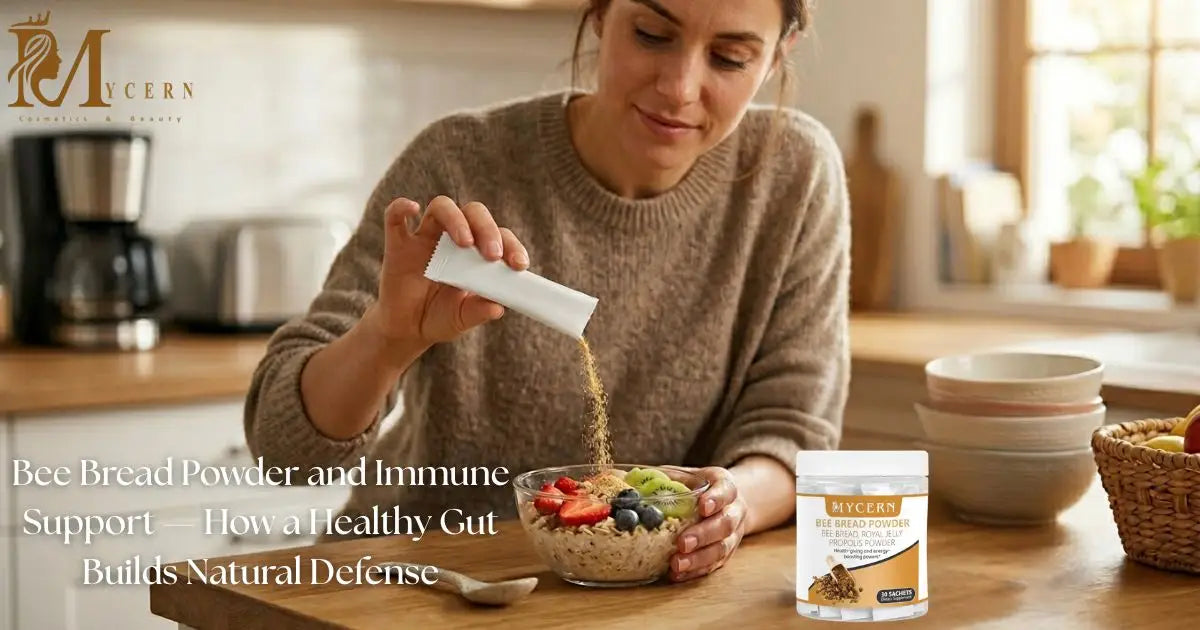
It can be blended into smoothies, stirred into yogurt or oatmeal, or mixed with raw honey. Some people add it to wellness drinks or sprinkle small amounts over fruit bowls and breakfast foods.
Starting with a small serving is usually recommended, especially for anyone unfamiliar with bee-derived products. People with bee or pollen allergies should be cautious and speak with a healthcare professional before trying it.
Like most functional foods, bee bread powder is generally viewed as part of a broader wellness routine rather than a quick fix. Diet, sleep, movement, and stress management still play a major role in immune health.
Every batch of MyCern Bee Bread Powder is independently third-party tested by Eurofins, one of the world's largest and most respected testing networks. Testing covers heavy metals and microbiological safety, along with composition and active-ingredient verification to confirm the product's potency. MyCern Bee Bread Powder is also FDA compliant for the US market. We believe quality should be something you can verify, not just something a brand claims.
Not sure which MyCern product is right for you?
Let our Supplement Advisor find your perfect match. Answer 5 quick questions and get a personalised recommendation — free, no commitment.
Try the Supplement Advisor →When to Speak With a Doctor
Bee bread powder is a food-based supplement and is generally well-tolerated, but it isn't right for everyone. Speak with a healthcare professional before using it if you have a known bee, pollen, or honey allergy, if you are pregnant or breastfeeding, if you take prescription medication, or if you manage a chronic health condition. Stop use and seek medical advice if you notice itching, swelling, difficulty breathing, or any other signs of an allergic reaction.
Frequently Asked Questions
What is bee bread powder, and how is it different from bee pollen?
Bee bread is flower pollen that bees pack into honeycomb with honey and enzymes, where it naturally ferments. That fermentation is the key difference from raw bee pollen — it partially breaks the nutrients down, which is why many people find bee bread easier to digest. The powder is simply the dried, ground form that's easy to add to food.
How long does it take to notice benefits from bee bread powder?
There's no guaranteed timeline, and results may vary depending on individual factors. Because it works as part of your overall diet rather than as a quick fix, some people choose to use it consistently for several weeks alongside good sleep, nutrition, and stress habits before judging how it fits their routine.
Is bee bread powder safe to take every day?
For most healthy adults it's generally well-tolerated as a daily food supplement, and starting with a small serving lets you see how your body responds. Consult your healthcare provider if you have any concerns or take other supplements or medications.
How much bee bread powder should I take, and how do I use it?
Begin with a small amount and increase gradually as tolerated, following the serving guidance on the product label. The earthy, slightly tangy flavor works best stirred into smoothies, yogurt, oatmeal, or raw honey rather than eaten on its own.
Who should avoid bee bread powder?
Anyone with a bee, pollen, or honey allergy should avoid it. Pregnant or breastfeeding women, people taking prescription medication, and those with existing medical conditions should consult their healthcare provider before use.
References
- PubMed: Viral Infections, the Microbiome, and Probiotics
- Frontiers in Ecology and Evolution: Bee Bread and Microbial Ecology
- MDPI: Bee Bread as a Promising Source of Bioactive Molecules and Functional Properties
- Molecules Journal: Stingless Bee-Collected Pollen (Bee Bread) — Chemical and Microbiology Properties and Health Benefits
- Antibiotics Journal: Bee Pollen and Bee Bread as a Source of Bacteria Producing Antimicrobials
Medical Disclaimer: This article is for educational and informational purposes only and does not constitute medical advice, diagnosis, or treatment. Always consult a qualified healthcare professional before starting any supplement or wellness program.


